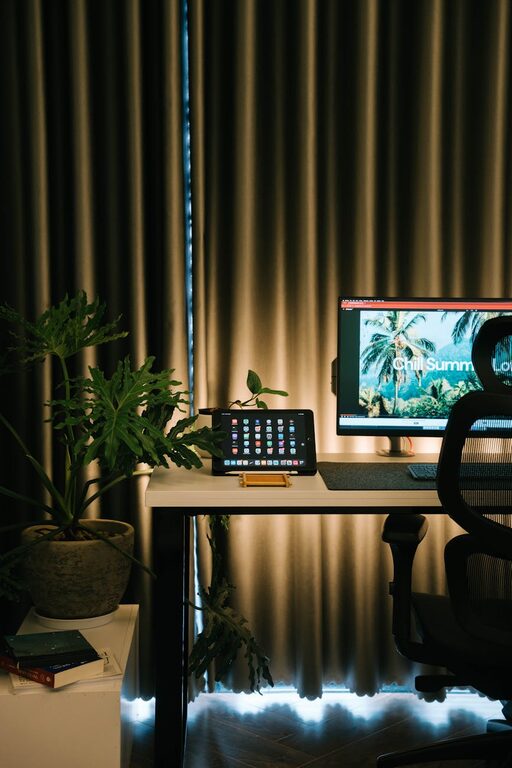
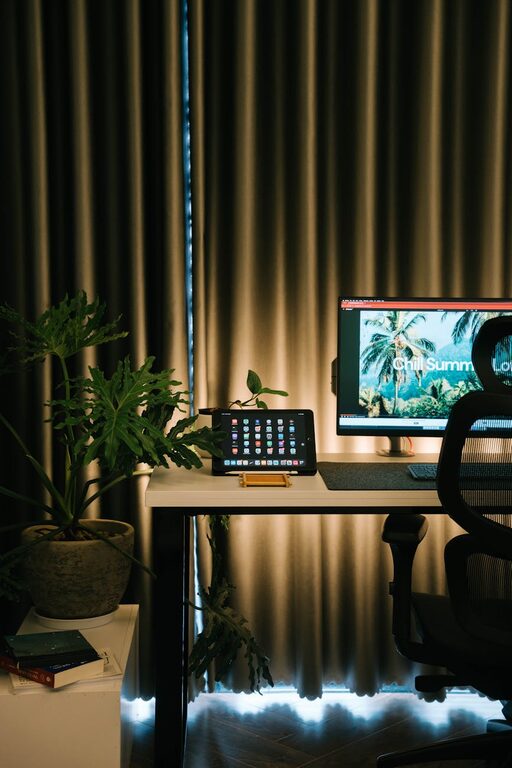
Creating a workspace at home that is both relaxing and productive can significantly improve your work experience and overall well-being. Whether you work remotely full-time or occasionally need a spot for focused tasks, your environment plays a big role in how effectively you work. Here are some practical tips to help you craft a home workspace that supports both comfort and efficiency.
Choose the Right Location
The first step in setting up a home workspace is finding the best spot. Ideally, select a quiet area away from distractions like the television or high-traffic zones in your house. A space with natural light is highly beneficial—it helps maintain your energy levels and improves mood.
If space is limited, consider multi-purpose areas like a corner of the living room or a nook in your bedroom, but try to keep the workspace consistent to maintain a work-life boundary.
Invest in Comfortable Furniture
Comfort is key to staying productive without physical strain. A sturdy, adjustable chair with good lumbar support helps prevent back pain. Pair it with a desk at the right height, so your arms rest comfortably while typing or writing.
If possible, consider an adjustable desk that allows alternating between sitting and standing, which can help reduce fatigue during long work sessions.
Declutter and Organise
A tidy workspace reduces stress and helps you focus better. Keep only essentials on your desk and store other items in drawers or organisers.
Use cable organisers to keep cords neat and out of the way. Minimal clutter creates a calm atmosphere conducive to concentration.
Personalise Your Space
Adding a few personal touches can make your workspace more inviting and relaxing. Consider placing a small plant, a favourite photo, or artwork that inspires you. Choose calming colours for your walls or desk accessories, such as soft blues or greens, which are known to reduce stress.
However, keep decorations to a minimum to avoid distractions.
Optimise Lighting
Adequate lighting is crucial for comfort and productivity. Natural daylight is best, so position your desk near a window if you can.
Supplement with good quality task lighting like a desk lamp that provides focused light without glare. Avoid harsh overhead lights that can cause eye strain.
Minimise Noise Distractions
If your home is noisy, try using noise-cancelling headphones or playing soft background music or nature sounds to help maintain concentration.
Alternatively, white noise machines or apps can create a more consistent sound environment, masking distracting noises.
Manage Technology Efficiently
Ensure your computer and other devices are set up ergonomically. Use a monitor at eye level to avoid neck strain, and keep your keyboard and mouse within easy reach.
Regularly update your software and maintain a good internet connection to reduce frustrations.
Keep your phone on silent or do-not-disturb mode during focused work times to minimise interruptions.
Take Regular Breaks
Incorporate short breaks into your day to rest your eyes and move around. The Pomodoro technique—working for 25 minutes followed by a 5-minute break—is popular for maintaining focus without burnout.
Use breaks to stretch, hydrate, or step outside for fresh air, all of which help refresh your mind.
Create Clear Boundaries
When your workspace is at home, it can be tempting to let work spill over into personal time. Set clear start and finish times for your workday and communicate these with family or housemates.
If possible, close the door to your workspace when you are done to signal the end of work and help shift your mindset to relaxation.
Keep Essentials Handy
To avoid unnecessary interruptions, keep things you need regularly—such as pens, notebooks, chargers, and snacks—close by.
Having a small shelf or organiser nearby can keep your desk clear while still giving you quick access to supplies.
Encourage Good Air Quality
Fresh air improves concentration and comfort. Open a window regularly to ventilate the room.
If that’s not possible, consider a small indoor plant which can help purify the air, or an air purifier to improve air quality.
—
Designing a relaxing and productive home workspace doesn’t require a complete overhaul. By thoughtfully considering location, furniture, organisation, lighting, and personal touches, you can build an environment that enhances your focus and well-being. Remember to maintain balance through breaks and boundaries, ensuring your home office supports not just your work but also your overall happiness.