
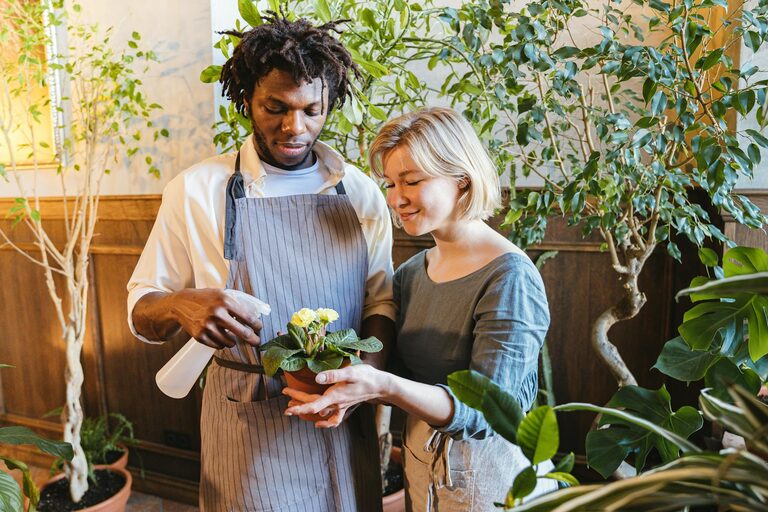
Creating a sustainable home garden is a rewarding way to connect with nature, save resources, and enjoy fresh produce and greenery all year round. Whether you have a small balcony, a backyard, or a community plot, adopting sustainable practices helps reduce your environmental impact while nurturing healthy plants. This guide offers practical tips to maintain a thriving sustainable garden throughout the seasons.
Understanding the Principles of Sustainable Gardening
Sustainability in gardening means using methods that conserve resources, protect biodiversity, and sustain soil health without relying heavily on chemicals or non-renewable inputs. The goal is to create a self-sufficient ecosystem where plants, soil, insects, and water cycle naturally and efficiently.
Key principles include:
– Minimising water waste
– Reducing chemical use
– Composting and recycling organic waste
– Encouraging beneficial wildlife
– Choosing native and drought-resistant plants
– Enhancing soil fertility naturally
With these ideas in mind, let’s explore how to apply them throughout the year.
Choosing the Right Plants for Sustainability
Selecting plants suited to your local climate and soil conditions reduces water and maintenance needs. Native plants, in particular, thrive without excessive fertiliser or pesticides. Consider mixing edible plants (vegetables, herbs, fruits) with ornamental and wildlife-friendly varieties for a balanced ecosystem.
Tips for Plant Selection:
– Research native species for your region
– Include drought-tolerant plants if your area has dry periods
– Mix perennials and annuals to maintain continuous growth
– Use companion planting to naturally deter pests and improve growth
– Avoid invasive species that can disrupt local ecology
Soil Health: The Foundation of a Sustainable Garden
Healthy soil supports plants and stores water, making gardens more resilient. Avoid synthetic fertilisers and instead build soil fertility through organic matter such as compost and mulches.
Soil Care Practices:
– Add compost regularly to improve nutrients and texture
– Use mulch to conserve moisture and suppress weeds
– Rotate crops annually in vegetable patches to prevent soil depletion
– Avoid compacting soil by limiting foot traffic on planting beds
– Test soil pH every few years and adjust with natural amendments as needed
Water Conservation Techniques
Water is often the most precious resource in gardening, so conserving it is essential. Efficient watering keeps plants healthy and limits the strain on local supplies.
Water-wise Ideas:
– Install drip irrigation or soaker hoses for targeted watering
– Collect rainwater in barrels for garden use
– Water early morning or late evening to reduce evaporation
– Group plants with similar water needs together
– Use mulches to retain soil moisture longer
– Choose drought-resistant plants, especially for summer
Encouraging Beneficial Wildlife
Encouraging insects and animals that support the garden ecosystem can reduce pest problems and promote pollination.
How to Attract Helpful Wildlife:
– Plant a variety of flowers to support bees and butterflies
– Provide birdbaths or shallow water sources for birds and insects
– Create habitats with logs, stones, or hedges for beneficial insects
– Avoid pesticides that harm wildlife
– Leave seed heads and small fallen branches to support biodiversity
Seasonal Maintenance for Year-Round Growth
A successful sustainable garden requires seasonal care tailored to weather and plant cycles.
Spring:
– Prepare the soil with compost
– Plant seedlings and seeds based on local frost dates
– Prune shrubs and perennials to promote healthy growth
Summer:
– Mulch heavily to retain moisture
– Watch for pests and remove them using natural methods like handpicking or neem oil
– Harvest regularly to encourage continued production
Autumn:
– Collect fallen leaves for mulch or compost
– Plant cover crops like clover to protect soil over winter
– Clean up dead plants to prevent disease
Winter:
– Protect tender plants with cloches or fleece
– Plan your garden layout for the coming year
– Maintain tools and infrastructure like greenhouses or water collectors
Composting: Turning Waste into Garden Gold
Composting transforms kitchen scraps, garden trimmings, and other organic waste into nutrient-rich soil amendment. This reduces landfill waste and lowers the need for store-bought fertilisers.
Composting Tips:
– Balance green waste (vegetable scraps, grass clippings) and brown waste (leaves, paper)
– Turn the pile regularly to speed up decomposition
– Avoid adding meat, dairy, or diseased plants to the compost
– Use finished compost to enrich soil and potting mixes
Tools and Materials for Sustainable Gardening
Choosing durable and eco-friendly tools can reduce waste and chemicals.
– Use hand tools made from sustainable materials
– Avoid plastic pots by opting for biodegradable or recycled containers
– Repair rather than replace tools whenever possible
– Consider organic seeds and plants from reputable sources
Final Thoughts
A sustainable home garden is a living project that benefits both you and the environment. By following these tips on plant selection, soil health, water and wildlife management, composting, and seasonal care, you can nurture a garden that flourishes throughout the year with minimal negative impact.
Start small, observe how your garden responds, and adjust your methods to suit your space and climate. Over time, you’ll build a thriving ecosystem that brings joy, beauty, and freshness all year long. Happy gardening!